

Georgia Estate Planning Resources
Explore videos, answers to common questions, and educational resources designed to help Georgia families better understand estate planning.
Jump To:
Common Georgia Estate Planning Questions
-
It depends on your situation.
Many people in Georgia use a will as the foundation of their estate plan. Others choose a trust-based plan to help avoid probate, maintain privacy, or provide more control over how assets are managed and distributed.
The right approach depends on your goals, the type of assets you own, and your family situation.
-
If you pass away without a will, Georgia law determines who receives your assets.
This process is called intestate succession. Your assets typically go to your closest relatives—such as a spouse, children, or other family members—based on a legal formula rather than your personal wishes.
This can lead to outcomes you may not have intended.
-
Probate is the court process used to settle an estate.
In Georgia, probate can range from relatively simple to more involved, depending on the size and complexity of the estate and whether there are any disputes.
Assets held in a trust or with designated beneficiaries may be able to pass outside of probate.
-
The timeline varies.
Some estates can be settled in a matter of months, while others may take longer—especially if court involvement is required or complications arise.
Planning ahead can help reduce delays and simplify the process for your family.
-
A complete estate plan often includes:
A will or trust
A financial power of attorney
An advance healthcare directive
Beneficiary designations for certain assets
The specific documents you need depend on your goals and circumstances.
-
A power of attorney allows you to name someone to handle financial matters if you are unable to do so.
Without one, your family may need to go through a court process to gain authority to act on your behalf.
-
In some cases, yes.
Certain assets—such as those held in a trust or with beneficiary designations—may pass outside of probate. Other strategies may also be available depending on your situation.
Not everyone needs to avoid probate, but it’s something many people consider when planning.
-
It’s a good idea to review your plan periodically and update it after major life events, such as:
Marriage or divorce
Birth of a child or grandchild
Significant changes in assets
Moving to or from Georgia
Keeping your plan current helps ensure it continues to reflect your wishes.
Estate Planning Starter Workbook
A simple worksheet designed to help individuals and families organize the key information needed for estate planning.
Completing the workbook can help clarify planning goals, identify important assets, and prepare for conversations with an estate planning professional.
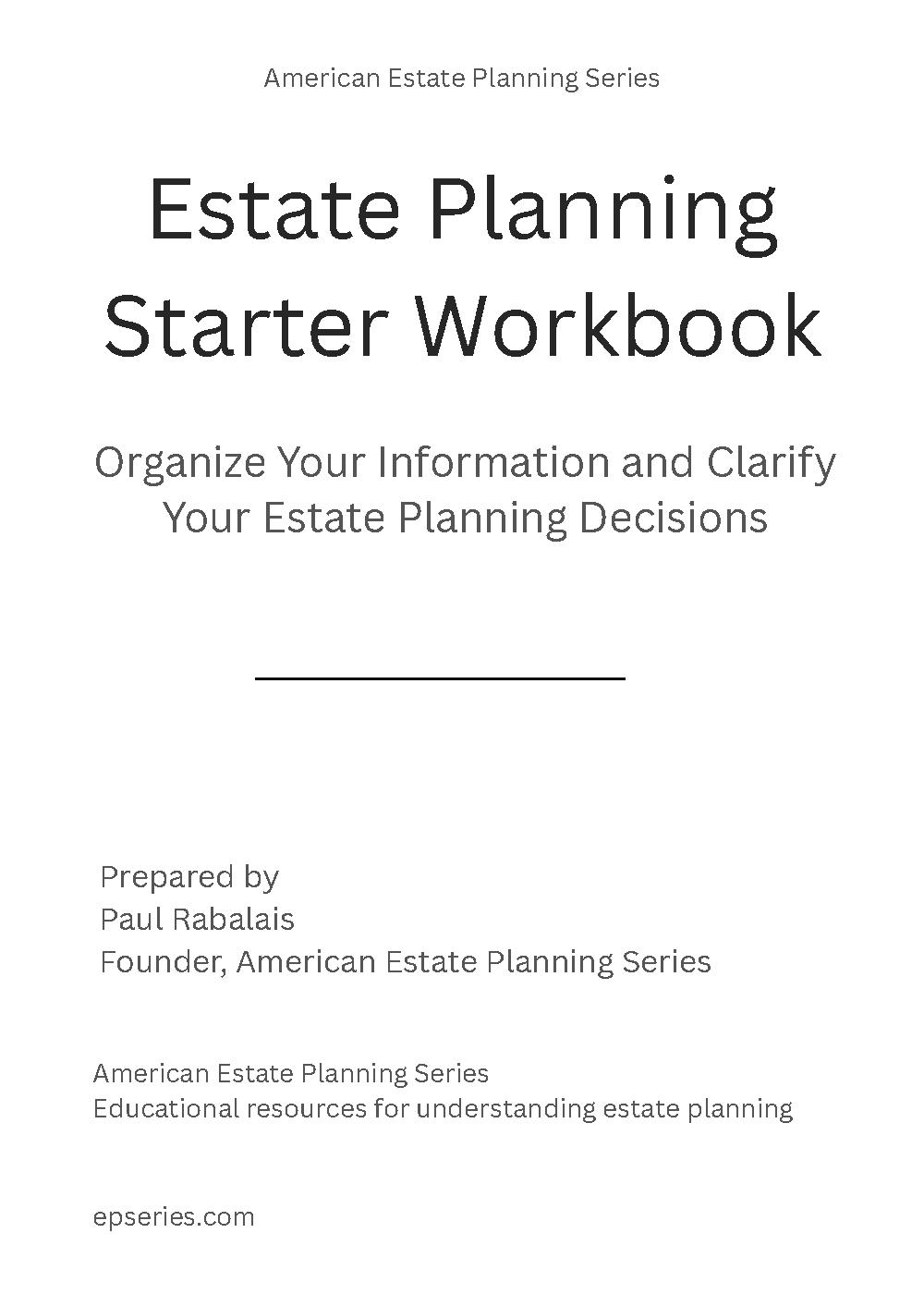
17-page fillable PDF
Download instantly — no email or signup required
The Estate Planning Starter Workbook is designed to help individuals and families begin organizing the information commonly needed for estate planning.
Completing the workbook can help clarify planning goals, identify important assets, and prepare for conversations with an estate planning professional.
This workbook may be helpful if you:
want to begin organizing your estate planning information
are thinking about creating or updating an estate plan
want to better understand your assets and beneficiaries
plan to meet with an estate planning attorney in the future
want to organize information for your family
What the workbook includes:
Personal and family information
Asset and property overview
Beneficiary designations
Planning goals and priorities
Notes and questions for future planning discussions
Many people find it helpful to complete the workbook before meeting with an estate planning attorney or beginning the planning process.
Start Here
Whether you're creating an estate plan for the first time or reviewing an existing plan, these resources can help you identify important decisions, uncover potential gaps, and determine your next steps.
5-Minute Estate Planning Checkup
Not sure whether your estate plan is complete? This free worksheet will help you identify common gaps and prioritize your next steps.
Who Should I Put In Charge?
Choosing the right people to serve as executor, trustee, financial agent, healthcare agent, and guardian can be one of the most important decisions in estate planning. This workbook will help you evaluate each role and make those choices with greater confidence.
Georgia Estate Planning Essentials
What Makes Georgia Estate Planning Different?
The Estate Planning Mistakes People Don’t Know They’re Making
Georgia Wills
Do I Need a Will in Georgia?
Who Should I Name as Executor in Georgia?
Georgia Trusts
Do You Need a Will or a Trust in Georgia?
Georgia Probate & Trust Administration
What Happens If You Die Without a Will in Georgia?
How Long Does Probate Take in Georgia?
How Much Does Probate Cost in Georgia?
The Biggest Mistakes Georgia Families Make After Someone Dies
What Assets Go Through Probate in Georgia — and What Don’t?
Who Must Be Notified During Probate in Georgia?
Georgia Power of Attorney
What Does a Power of Attorney Actually Do? (Georgia)
Georgia Healthcare Planning
Georgia Advance Directive Explained: Healthcare Agent and Living Will
Georgia Beneficiary Designations & Asset Transfers
How Beneficiary Designations Work in Georgia
Georgia-Specific Topics
Georgia Advance Directive Explained: Healthcare Agent and Living Will
What Does a Power of Attorney Actually Do? (Georgia)
What Happens If You Die Without a Will in Georgia?
Meet Your Georgia Estate Planning Attorney
If you live in Georgia and want guidance tailored to your situation, you can connect with a local estate planning attorney who understands Georgia law and planning strategies.

Adam S. Hicks
Lanier Legacy Group LLC
Gainesville, Georgia
Phone: 770-282-4541
Website: https://lanierlegacylaw.com/
About Adam
Adam S. Hicks is an estate planning attorney serving individuals and families throughout Georgia. He focuses on helping clients create clear, practical plans involving wills, trusts, and incapacity planning.
He founded Lanier Legacy Group with an emphasis on client education, believing that families make better decisions when they truly understand their options. His approach is designed to simplify complex decisions and help clients move forward with confidence.
As the Georgia Contributing Author for the American Estate Planning Series, Adam helps ensure that the information provided is accurate, practical, and aligned with Georgia law.
Georgia Resources
We are building a growing library of Georgia-specific estate planning resources, including:
Step-by-step educational videos
Clear explanations of Georgia estate planning laws
Practical guidance to help you take the next step