

Florida Estate Planning Resources
Explore Florida estate planning videos, answers, and practical tools to help you plan with clarity and confidence.
Featured Florida Estate Planning Videos
Begin with these estate planning videos covering many of the most important concepts, decisions, and planning issues affecting Florida families.
Start Here: Florida Estate Planning Basics
Florida Last Will and Testament
Trust Funding Explained (Florida)
Revocable Living Trust in Florida
Florida Probate Explained
Trust vs Will: How to Decide What You Actually Need (Most People Get This Wrong)
Why a Simple Estate Plan Can Still Fail
Florida Property & Asset Planning
Florida Lady Bird Deeds
Florida Homestead Explained
Florida Homestead in Probate
Florida Elective Share Explained
Blended Families in Florida
Florida Probate & Court Process
Avoiding Probate in Florida
Florida Probate Explained
Probate Timeline in Florida
Summary Administration vs. Formal Administration (Florida)
Moving to Florida — Estate Planning Updates
Florida Incapacity & Long-Term Planning
Florida Health Care Surrogate
Durable Power of Attorney in Florida
Revocable Living Trust in Florida
Common Florida Estate Planning Questions
Find answers to common Florida estate planning questions and learn the concepts that affect many Florida families.
-
A will may be enough for some Florida residents, while others benefit from a trust-based plan. The right approach depends on your assets, family situation, privacy concerns, and probate goals.
-
Florida probate is the court-supervised process for transferring assets after death. Some estates qualify for simplified procedures, while others require formal administration through the probate court.
-
In many cases, yes. Properly funded revocable living trusts can help certain assets avoid probate and provide additional privacy and continuity during incapacity.
-
A Florida Lady Bird Deed — also called an enhanced life estate deed — allows real estate to transfer automatically at death while preserving control during lifetime. Florida is one of the few states that recognizes this planning tool.
-
Florida homestead laws provide important protections for primary residences, including creditor protections and restrictions on how property may transfer at death.
-
Most Florida estate plans include a will or trust, powers of attorney, healthcare directives, beneficiary coordination, and sometimes property transfer planning tools.
-
Powers of attorney allow trusted individuals to handle financial or legal matters if you become unable to act for yourself. Florida law has specific requirements governing these documents.
-
Florida does not impose a separate state estate tax or inheritance tax. However, federal estate tax rules may still apply in certain situations.
-
Estate plans should be reviewed periodically and after major life changes such as marriage, divorce, births, deaths, retirement, relocation, or significant asset changes.
-
Long-term care planning focuses on preparing for future healthcare and assisted living costs while protecting assets and maintaining flexibility for families.
-
No. Estate planning helps families of many income levels organize decisions, protect loved ones, avoid unnecessary complications, and prepare for incapacity or death.
-
When someone dies without a will, Florida intestacy laws determine who inherits assets. The outcome may not reflect the person’s actual wishes.
Estate Planning Starter Workbook
A simple worksheet designed to help individuals and families organize the key information needed for estate planning.
Completing the workbook can help clarify planning goals, identify important assets, and prepare for conversations with an estate planning professional.
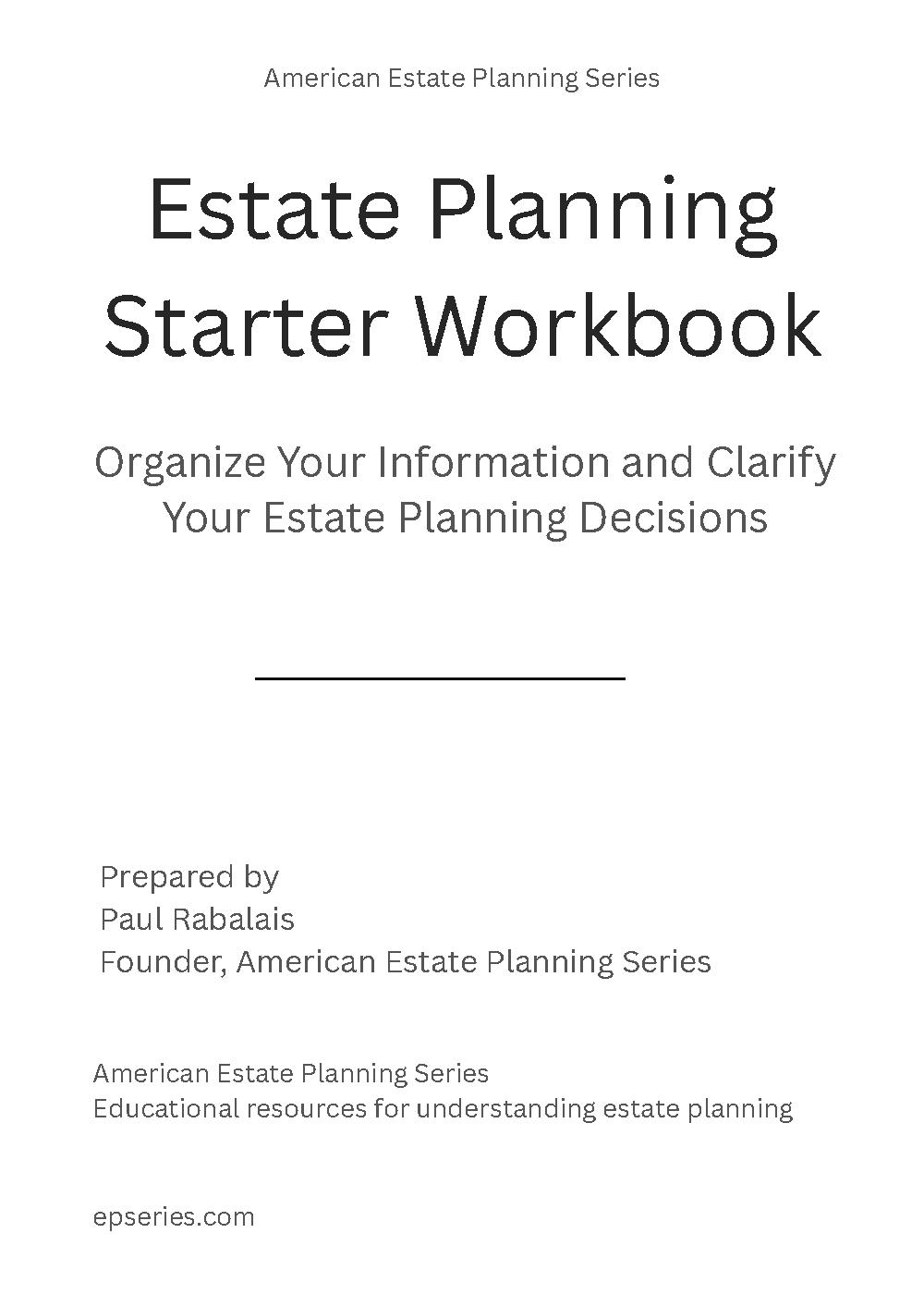
17-page fillable PDF
Download instantly — no email or signup required
The Estate Planning Starter Workbook is designed to help individuals and families begin organizing the information commonly needed for estate planning.
Completing the workbook can help clarify planning goals, identify important assets, and prepare for conversations with an estate planning professional.
This workbook may be helpful if you:
want to begin organizing your estate planning information
are thinking about creating or updating an estate plan
want to better understand your assets and beneficiaries
plan to meet with an estate planning attorney in the future
want to organize information for your family
What the workbook includes:
Personal and family information
Asset and property overview
Beneficiary designations
Planning goals and priorities
Notes and questions for future planning discussions
Many people find it helpful to complete the workbook before meeting with an estate planning attorney or beginning the planning process.
Florida Contributing Attorney
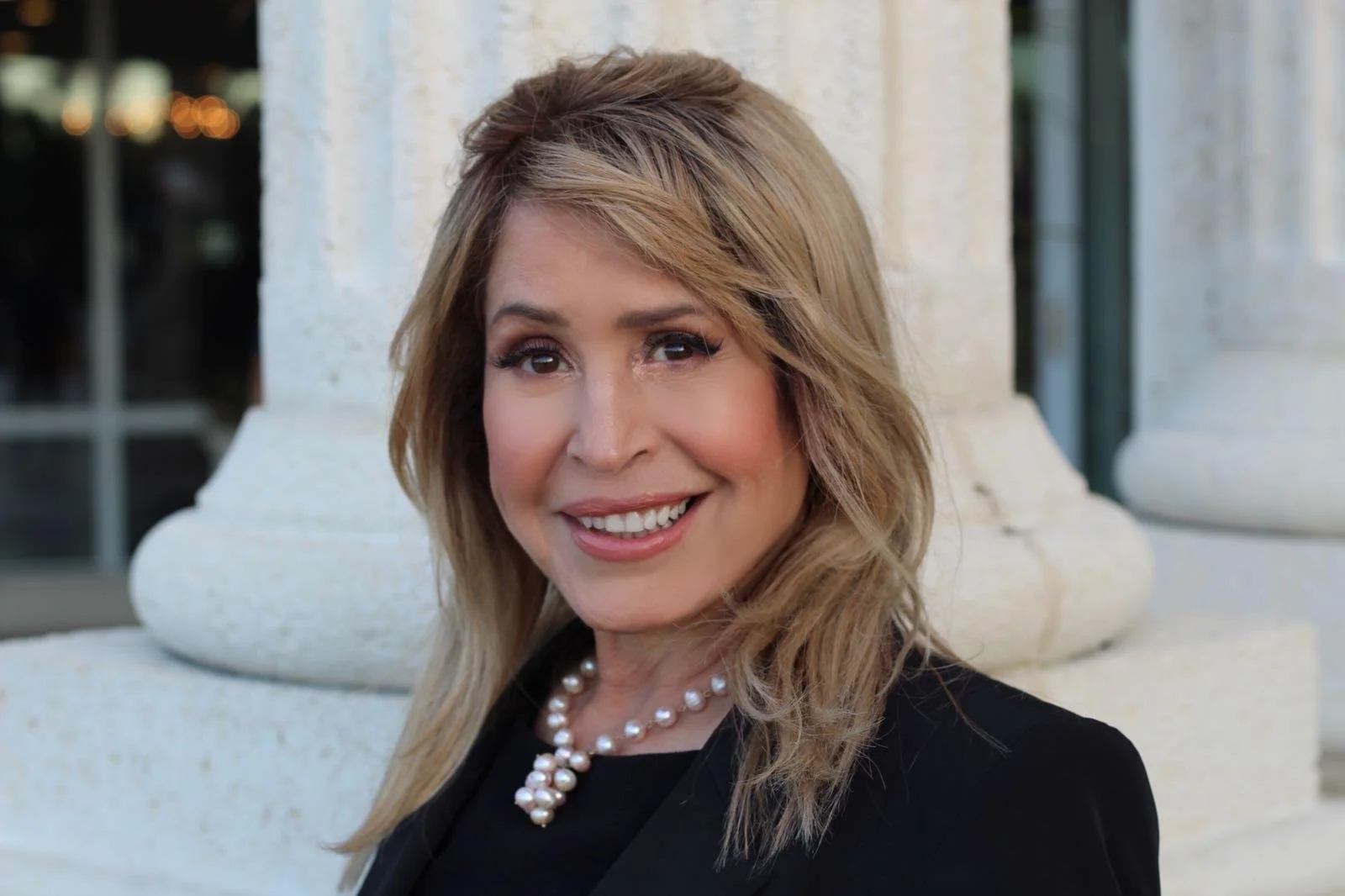
Elena Ortega-Tauler
Florida Contributing Attorney
Legacy Trust Counsel, P.A.
Serving Miami, Fort Lauderdale, Doral, Coral Gables, and surrounding South Florida communities, including Monroe County.
Elena Ortega-Tauler works with individuals and families on Florida estate planning, probate, trusts, wills, and incapacity planning. Her participation in the American Estate Planning Series helps provide Florida-specific educational guidance designed to help families make informed decisions with confidence.
Meet Your Florida Estate Planning Attorney | Elena Ortega-Tauler
Florida Government & Probate Resources
Government links and forms commonly used in Florida estate administration, title transfers, and related planning matters.
Motor Vehicles & Title Transfers After Death
Florida provides specific statutory procedures for transferring motor vehicle title following a death. The process depends on how the vehicle was titled and whether probate is required.
Surviving spouses may, in certain circumstances, use:
Form HSMV 82152— Application for Surviving Spouse Transfer of Title
Additional title and lien forms are maintained by the:
Florida Department of Highway Safety and Motor Vehicles — Liens & Titles Division
Florida Probate Court Resources
Probate proceedings in Florida are handled through the Clerk of Court in the county where the decedent resided.
Each county provides procedural guidance, filing instructions, and required forms.
To locate your county Clerk of Court:
Florida Homestead & Property Tax Information
Florida homestead protections can significantly affect how primary residences pass at death and how property taxes are calculated.
Official guidance regarding homestead exemptions and portability is available through:
Florida Department of Revenue — Property Tax & Homestead Resources