

American Estate Planning Series
California Estate Planning
Learn the fundamentals of California estate planning through state-specific educational resources created to help you make informed decisions. When you're ready for personalized legal guidance, connect with Michael Pevney, the California Contributing Attorney for the American Estate Planning Series.
Choose Your Next Step
Not sure where to begin? Choose the path that fits your situation.
Just Getting Started
If you're new to estate planning or want a clear overview of how it all works in California, start here.
Learn the basics
Understand wills vs. trusts
See what most people actually need
Ready to Put a Plan Together
If you’re ready to take the next step and want a simple way to think through your plan:
Identify your goals and priorities
Organize your assets and decisions
Work through a simple plan
Looking for Legal Help
If you’re ready to move forward or want guidance specific to your situation:
Speak with a California estate planning attorney
Get advice tailored to your situation
Move forward with a clear plan
What Makes California Estate Planning Different
Estate planning is not one-size-fits-all. California has its own rules involving community property, probate, intestate succession, wills, transfer-on-death deeds, and other estate planning matters. Understanding these California-specific rules can help families make better decisions, avoid unnecessary court proceedings, and create plans that work the way they intend.
-
Yes. California has an extensive Probate Code governing wills, trusts, probate administration, intestate succession, and many nonprobate transfers. California is also a community property state, which can significantly affect how property is owned and transferred at death. A plan prepared for someone living in another state may not properly address California law or a California family's circumstances.
-
California currently does not require a California estate tax return for people who die on or after January 1, 2005, and California does not impose a separate inheritance tax. Federal estate tax rules can still apply to larger estates, so tax planning may remain important for some California families.
-
If you die without a valid will, California's intestate succession laws determine who receives property that does not otherwise pass by trust, beneficiary designation, joint ownership, or another nonprobate method. The result depends on your family situation and whether the property is community property or separate property. For example, a surviving spouse's share of separate property can vary depending on whether the deceased person also leaves children, parents, siblings, or descendants of siblings.
-
Yes. California allows qualifying real property to be transferred through a revocable transfer-on-death deed. The deed must satisfy specific statutory requirements, including execution, witnessing, notarization, and timely recording. A properly completed deed can transfer the owner's interest to the named beneficiary at death, but it is not appropriate for every estate plan.
-
A will can nominate an executor, but the probate court formally appoints the personal representative. If there is no qualified executor, California law establishes an order of priority for appointment, generally beginning with a surviving spouse or domestic partner and then children and other relatives. The person serving is responsible for gathering estate property, addressing debts and creditor claims, and ultimately distributing the estate.
-
They can be. California recognizes holographic wills when the signature and material provisions are in the testator's handwriting, even if the document was not witnessed. However, handwritten wills can create uncertainty or disputes, particularly when wording is unclear or multiple estate planning documents exist.
-
Yes. California provides simplified procedures that may allow qualifying property to be transferred without a full probate proceeding. For certain personal property, successors may be able to use a small-estate affidavit after the required waiting period if the estate falls within the applicable statutory limit. The rules, exclusions, and dollar limits can change, so families should confirm the requirements that apply at the time of death.
-
An estate plan should be reviewed whenever there is a major change in your family, finances, property ownership, or goals. Marriage, divorce, births, deaths, the purchase or sale of real estate, significant changes in wealth, or moving into or out of California are all good reasons to review a plan. Periodic reviews are also useful because California and federal laws can change over time.
Before You Choose an Estate Planning Attorney
Every estate planning attorney is different. Experience, communication style, responsiveness, and a commitment to education can all have a meaningful impact on your family's planning experience. Before deciding who to work with, we encourage you to watch this short video explaining what to look for when choosing an estate planning attorney.
How to Choose an Estate Planning Attorney (7 Qualities That Really Matter)
The attorney featured below was selected because they demonstrate the qualities discussed in this video and have committed to helping educate families in California through the American Estate Planning Series.
Meet Your California Estate Planning Attorney
AEPS Contributing Attorneys are experienced estate planning attorneys who help build the American Estate Planning Series by providing state-specific educational guidance and resources for consumers.
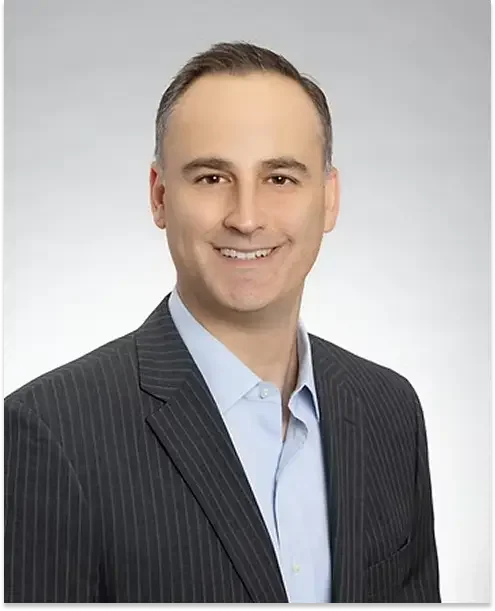
Michael Pevney
Contributing California Estate Planning Attorney
Founder, Pevney Estate Planning
Michael Pevney is the founder of Pevney Estate Planning and the California Contributing Attorney for the American Estate Planning Series. Based in Orange County, Michael focuses his practice exclusively on estate planning, helping individuals and families protect their assets, avoid unnecessary court proceedings, and create plans designed to provide long-term peace of mind.
A major part of Michael’s practice is education. He has created more than 1,000 estate planning videos and has built a substantial online following by explaining complicated legal concepts in practical, understandable terms. His goal is to help families understand their options before making important decisions about their estates and their futures.
Michael has practiced law in Orange County for more than 18 years. He earned his B.A. in Political Science from the University of California, San Diego and his J.D. from Benjamin N. Cardozo School of Law at Yeshiva University. He is a member of the California State Bar.
Outside the office, Michael enjoys spending time with his wife and two daughters. His family-centered perspective is reflected in the way he approaches estate planning—with an emphasis on clarity, preparation, and protecting the people who matter most.
Ready to Take the Next Step?
📞 Call Pevney Estate Planning: (949) 377-2996
🌐 Visit Pevney Estate Planning: ocestateplanlawyer.com
Meet Michael Pevney
Featured California Estate Planning Videos
Learn about California estate planning through educational videos created by Michael Pevney, the California Contributing Attorney for the American Estate Planning Series. Topics will include living trusts, probate, wills, incapacity planning, beneficiary designations, and other issues that affect California families. New California videos will be added regularly as our educational library continues to grow.
What Makes Estate Planning in California Different?
Will or Trust in California? Which One Do You Need?
The 2 Estate Planning Documents Every California Adult Should Have
She Wanted Her Daughter to Get the House—But She Died Without an Estate Plan
Featured Estate Planning Resources
Practical guides and worksheets to help you organize your estate plan and make important decisions for your family.
5-Minute Estate Planning Checkup
Not sure whether your estate plan is complete? This free worksheet will help you identify common gaps and prioritize your next steps.
Who Should I Put In Charge?
Choosing the right people to serve as executor, trustee, financial agent, healthcare agent, and guardian can be one of the most important decisions in estate planning. This workbook will help you evaluate each role and make those choices with greater confidence.
Where Do I Start? A Simple 7-Step Guide
Not sure how to begin your estate plan? This free guide walks you through seven practical steps to help you organize your thinking, identify your priorities, and start moving your estate plan forward.
Common California Estate Planning Questions
Estate planning often begins with a few important questions. Below are answers to some of the topics California families ask about most often, with additional California-specific videos and resources being added as our educational library continues to grow.
-
It depends on your assets, family circumstances, and goals. A will can direct how certain property should be distributed and can nominate an executor and guardians for minor children. A living trust can provide additional management during incapacity and may allow properly funded assets to pass to beneficiaries without a full probate proceeding. Many California estate plans use both a trust and a pour-over will. California Courts notes that a properly funded living trust can help a home pass without probate court.
-
Often, yes. Assets held in a properly funded living trust generally can pass without probate. Other assets may pass through beneficiary designations, payable-on-death arrangements, joint ownership, or other nonprobate transfer methods. California also recognizes certain revocable transfer-on-death deeds for qualifying real property.
-
A complete estate plan often includes a will, financial power of attorney, advance health care directive, and, when appropriate, a revocable living trust. The appropriate documents depend on the individual. California Courts specifically identifies powers of attorney and advance health care directives as important tools for planning for incapacity.
-
Choose someone who is trustworthy, responsible, organized, and willing to serve. The person who is best suited to manage financial matters may not always be the same person you would choose to make health care decisions. It is also wise to name alternates in case your first choice cannot serve.
-
Without advance planning, family members may have difficulty managing your finances or making health care decisions on your behalf. A durable power of attorney can authorize someone to handle designated financial matters, while an advance health care directive can identify the person you want making medical decisions and describe your health care wishes.
-
Not automatically. A trust generally controls only assets that have actually been transferred to or otherwise properly connected with the trust. If significant assets remain outside the trust and do not have another valid nonprobate transfer mechanism, probate may still be necessary. This is why funding and maintaining a trust can be just as important as signing the trust document itself.
-
Sometimes. California provides simplified procedures for certain smaller estates. For example, qualifying successors may be able to use a small-estate affidavit to collect certain personal property when the estate falls within the applicable statutory limit. The limits and requirements can change, so families should confirm the rules that apply at the time of death.
-
There is no single required schedule, but it is wise to review your plan periodically and after significant life changes. Marriage, divorce, the birth of a child or grandchild, a death in the family, major changes in wealth, buying or selling real estate, moving, or changes in your chosen decision-makers can all justify a review.
-
California provides some statutory forms, and individuals can prepare certain estate planning documents themselves. But estate planning documents can have significant legal and financial consequences, and California Courts specifically notes that these documents are important to get right and that legal review can be helpful.
-
Begin by identifying what you own, how your assets are titled, who you want to benefit, and whom you trust to make financial and health care decisions if you cannot act for yourself. Then consider meeting with a California estate planning attorney who can help you determine which documents and strategies fit your particular family and goals.
Explore More California Estate Planning Resources
Looking for more in-depth California estate planning information? Explore our growing library of videos and educational resources on living trusts, probate, powers of attorney, inheritance planning, and other topics that affect California families.
If you’re ready for guidance specific to your situation, Michael Pevney and Pevney Estate Planning are available to help.